Deck Builder in Long Beach: What Older Homes Mean for Your Project
Deck Builder in Long Beach: Permits and Local Housing Data
78.6% of housing units in the City of Long Beach were built before 1980 (2020–2024), so check the house before you build.
Long Beach at a glance
- Housing units built before 1980 (2020–2024)
- 78.6%
- Median year built, all housing units (2020–2024)
- 1959
- Owner-occupied share of occupied units (2020–2024)
- 41.2%
U.S. Census Bureau, American Community Survey 2020–2024 5-year estimates · data as of
- Numbers from US Census public records
- Up to three local contractors, never a long list
- Free, no obligation
What do permits say a deck, patio cover or pergola costs?
From City of LA building permits, last 12 months. Not a contract price. How we calculate this
Declared values on City of Los Angeles building permits, last 12 months. The dataset covers the City of Los Angeles only, so treat it as a regional reference for Long Beach. A declared value is what the permit states, not your contract price. How we calculate this.
Source: LA Department of Building and Safety, Building Permits Issued 2020 to Present (data.lacity.org), permits on one- and two-family homes issued to ; fire rebuilds excluded. ZIP medians need 20+ permits.
Long Beach housing facts
Long Beach housing facts
Local numbers for Long Beach, each with its source and date.
Planning your project
What Long Beach's homes mean for your deck, patio cover or pergola
In the City of Long Beach, 78.6% of housing units were built before 1980, and the median year built is 1959 (2020–2024). If you are looking for a deck builder, expect the existing house to need a closer look before anything is attached to it.
Check the wall and ledger where a deck or patio cover attaches. In older homes, the siding, framing and flashing behind the ledger may be worn, rotted or poorly sealed. Look for soft wood, staining and gaps. These are things to check, not signs that every house has a problem.
Drainage and setbacks matter too. Older lots may have grading, downspouts and property lines that were set long before a new structure was planned. Ask your contractor to check the lot and your city's rules early. Termite damage and dry rot are common concerns in old wood, so look under any existing deck or patio for wood that crumbles.
Owner-occupied homes make up 41.2% of occupied units (2020–2024), so many homes here are rented. If you own a rental, plan work around your tenants' schedules and tell them what to expect. The median value of owner-occupied homes is $806,600 (2020–2024). Use that as a rough reference when you weigh budget against resale, since the value of any project depends on many factors.
The typical path for a deck, patio cover or pergola
The typical path for a deck, patio cover or pergola
Decide what you want to build
Choose a deck, patio cover or pergola. Think about how you will use the space, how much sun it gets and how it will connect to the house.
Check setbacks and what your lot allows
Confirm with the City of Long Beach what your lot allows and how close a structure can sit to property lines. Older lots can have unusual boundaries, so check early.
Plan the design and drawings
Your contractor can draw the plan. Note how the structure attaches to the house wall and ledger, and how water will drain away from both.
Check the older house before you build
Open a small area at the wall and ledger if you can. Look for rot, termite damage and gaps in flashing. Plan any repairs before framing begins.
Apply for a permit where needed
Long Beach runs its own permit process. Ask your contractor which parts of the work need a permit and what drawings the city will want. Timelines vary by project.
Build footings and framing with inspections
Footings and framing are checked by inspection before they are covered. Plan your schedule around those visits.
Finish the surfaces
Choose decking, railings, roof cover and paint. Keep the work weather tight and check that water drains away from the house.
Final inspection
Ask for the final inspection and keep the approved paperwork with your house records.
Questions about decks and patios in Long Beach
Why does the age of Long Beach homes matter for a deck?
In the City of Long Beach, 78.6% of housing units were built before 1980, and the median year built is 1959 (2020–2024). Older walls, ledgers and drainage are worth checking before you attach a new structure.
Do I need a permit for a deck or patio cover in Long Beach?
Long Beach runs its own permits. Whether your project needs one depends on its size and how it attaches to the house. Your contractor or the city can confirm what applies to your lot.
How long does a permit take?
Timelines vary by project and by the city's current workload. Ask your contractor for a realistic schedule for your job.
I rent out my home. Can I still add a pergola?
Owners of rentals plan the work around tenants. Give notice as your lease requires and agree on access times. Owner-occupied homes make up 41.2% of occupied units in the City of Long Beach (2020–2024), so rental owners are common here.
How do I get an estimate?
Send a request through the form on this page. We pass it to a local contractor matched to your project, and up to three contractors may contact you. The estimate is free and carries no obligation.
Recent work by a contractor in our network
Photos from the contractor's own projects, used with permission. Captions name the type of work.
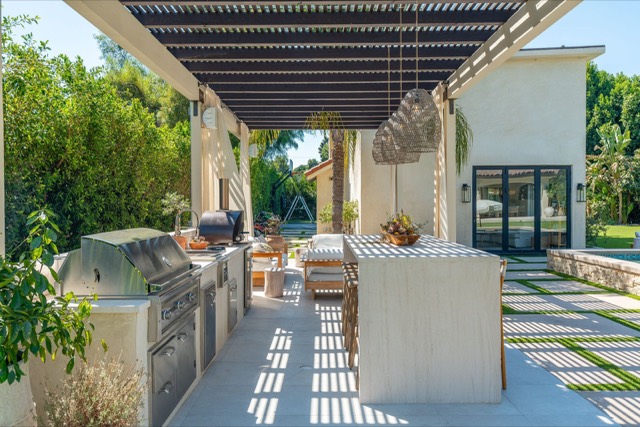
Outdoor kitchen and patio 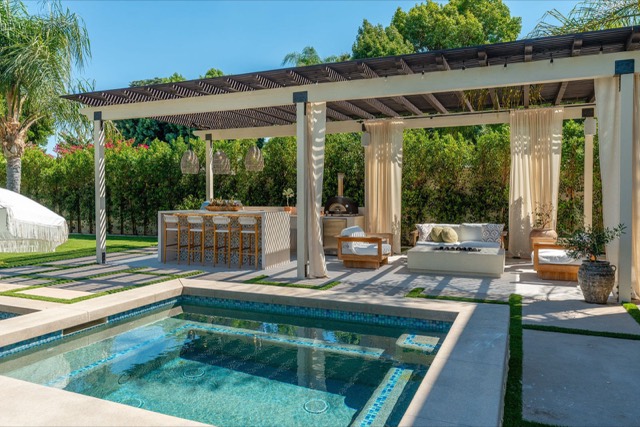
Pool and pergola 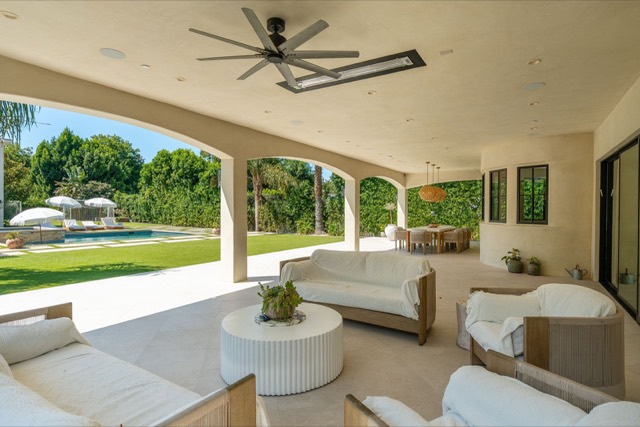
Covered patio 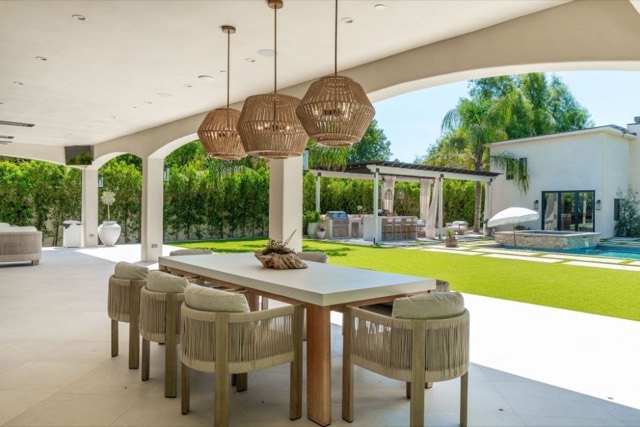
Covered patio dining 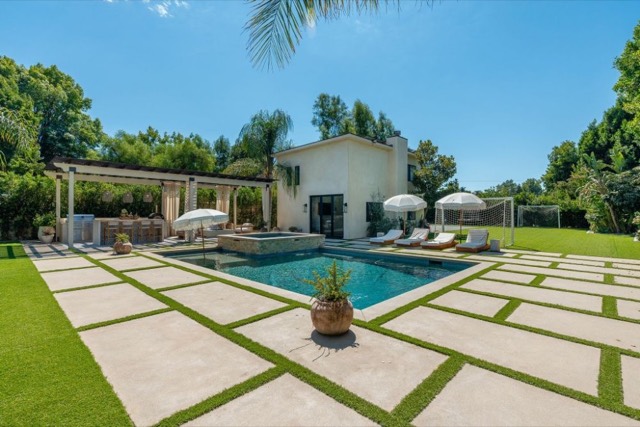
Pool and patio 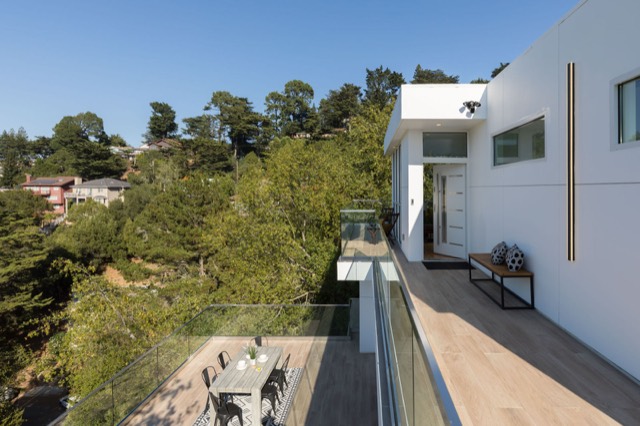
Deck with a view
Tell us about your deck, patio cover or pergola and get a free, no-obligation estimate from a local builder.
Tell us about the project. It takes about 30 seconds.
- You send a short request. Project type, ZIP code, timing and how to reach you.
- We match it. A local contractor for your project gets your request. Up to three may contact you, and we email you each one's name.
- You talk about your project. The estimate is free, with no obligation to hire.
Thanks — your request is in.
We're matching your project now. When a contractor takes it, we email you their name and phone number so you know who is calling.
We're matching your project now. A local contractor will call you at the number you gave us to talk about the next step.
Who gets your request
Your local match
Your project · works in Los Angeles County
Matched to your project. We check the project type and ZIP first. Up to three local contractors may contact you, and we email you each one's name.
Service areas
- Los Angeles
- Bel Air
- Brentwood
- Hollywood
- +36 more
Service areas as listed by the contractor ()