Choosing a Contractor for Your LA County Home Addition
How to Choose a Home Addition Contractor in LA County
How to choose a home addition contractor starts with checking license status, similar work and a written scope. Make older-home experience central: the Census Bureau’s 2020–2024 estimates show 70.3% of Los Angeles County housing units were built before 1980.
Los Angeles County at a glance
- Los Angeles County housing units built before 1980, 2020–2024
- 70.3%
- Los Angeles County median year built, all housing units, 2020–2024
- 1965
- Los Angeles County owner-occupied share of occupied housing units, 2020–2024
- 45.9%
U.S. Census Bureau, American Community Survey 2020–2024 5-year estimates · data as of
- Numbers from US Census and LADBS public records
- Up to three local contractors, never a long list
- Free, no obligation
What do permits say a room addition costs?
From City of LA building permits, last 12 months. Not a contract price. How we calculate this
Declared values on City of Los Angeles building permits, last 12 months. The dataset covers the City of Los Angeles only, so treat it as a regional reference for Los Angeles County. A declared value is what the permit states, not your contract price. How we calculate this.
Source: LA Department of Building and Safety, Building Permits Issued 2020 to Present (data.lacity.org), permits on one- and two-family homes issued to ; fire rebuilds excluded. ZIP medians need 20+ permits.
Compare contractors before committing
Compare contractors before committing
Check license status with the CSLB
Start with the Contractors State License Board’s online lookup. Check the contractor’s license status and compare the listed information with the person or business offering the contract. Ask about anything that does not match.
Clarify plans, permits and the connection to your house
Ask who handles drawings, engineering, permit applications and communication with your city. Have the contractor explain how they would assess your existing foundation and tie new framing into the old house, including foundation bolting and bracing. Discuss electrical panel capacity, testing for lead-based paint in older finishes, possible asbestos where walls are opened, and roof and exterior matching.
Ask for references and similar addition work
Request recent addition projects involving houses like yours, not just photos of new interiors. Ask references how the contractor handled unexpected conditions, communication and changes. For a rental, ask about experience coordinating access and disruptive work around tenants.
Get the scope and responsibilities in writing
Ask for a written scope with materials, exclusions, responsibilities and a proposed schedule. Discuss allowances and uncertain work separately so you can compare proposals on the same basis. Have the contract explain how changes will be priced and approved.
Tie the payment schedule to progress
Agree on clear milestones tied to completed work rather than paying far ahead. Ask what documentation you will receive before each payment. Discuss how changes might affect both the budget and the proposed schedule.
Keep a record of changes
Keep the contract, drawings, payment records and project correspondence together. Document agreed changes to materials, scope, cost and timing before the changed work starts. Use these records when discussing progress with your contractor.
County housing and city permit context
County housing and city permit context
Local numbers for Los Angeles County, each with its source and date.
Questions to ask before choosing your contractor
How do I check a contractor’s license in California?
Use the Contractors State License Board’s online lookup to check the license number the contractor provides. Compare the name and status with the information on your proposed contract, and ask about any discrepancies before proceeding.
What should the addition contract include?
Ask for a written scope covering plans, materials, exclusions, cleanup, the proposed timeline and responsibility for permits. Include a payment schedule and a process for documenting changes to scope, cost and timing before that work begins.
How should payments work?
Agree on payments tied to clearly described stages of completed work. Avoid paying far ahead of progress. Ask how you will confirm each milestone, and keep payment records with the contract and change orders.
Who handles the permit, and how long might it take?
Ask who will prepare plans, submit the application, respond to corrections and coordinate inspections with your city. For context, the LA Department of Building and Safety reported a median of 105 days from submission to issue for room addition permits on one- or two-family dwellings in the City of Los Angeles during 2025-10-04 to 2026-10-03. That is not a county-wide timeline or a forecast for your project; timing varies.
What should I ask about an older house before adding a room?
In the Census Bureau’s 2020–2024 estimates, 70.3% of Los Angeles County housing units were built before 1980. Ask how the contractor would evaluate the existing foundation, foundation bolting and bracing, and the seismic connection between new and existing framing. Also discuss electrical panel capacity, lead-based paint testing for homes built before 1978, possible asbestos where old walls are opened, and matching the roof and exterior. These are checks to discuss, not conditions assumed to exist in your home.
What if I’m adding a room to a rental property?
The Census Bureau’s 2020–2024 estimates show that 45.9% of occupied housing units in Los Angeles County were owner-occupied. If your property is rented, ask the contractor to describe work access, utility interruptions, dust control and scheduling around tenants. Discuss how the addition may affect the rental’s layout and use before settling the scope.
Recent work by a contractor in our network
Photos from the contractor's own projects, used with permission. Captions name the type of work.
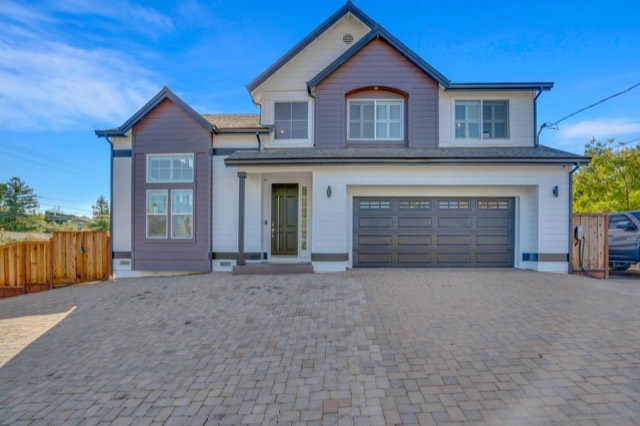
Whole-home remodel, exterior 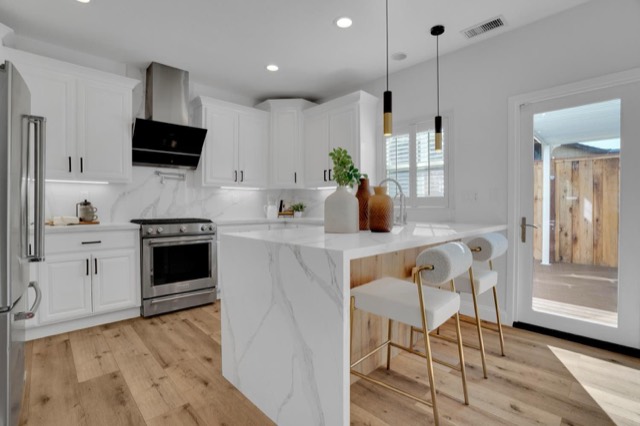
Kitchen, whole-home remodel 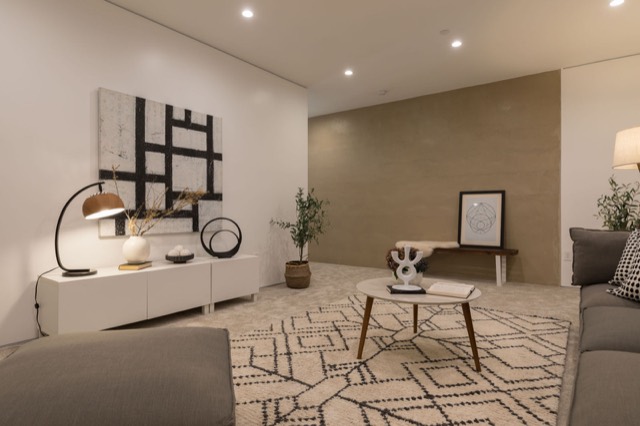
Addition / ADU interior 
Addition / ADU interior 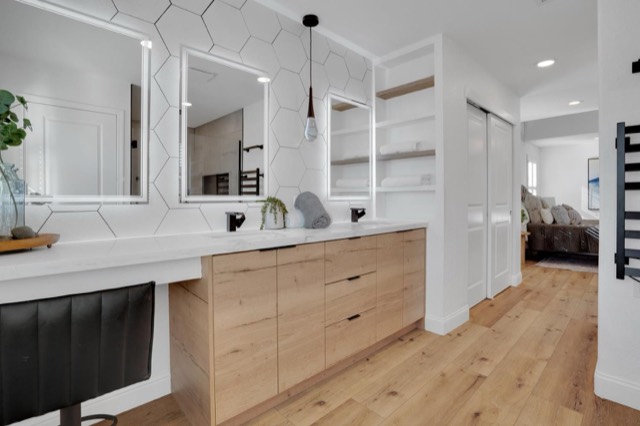
Whole-home remodel 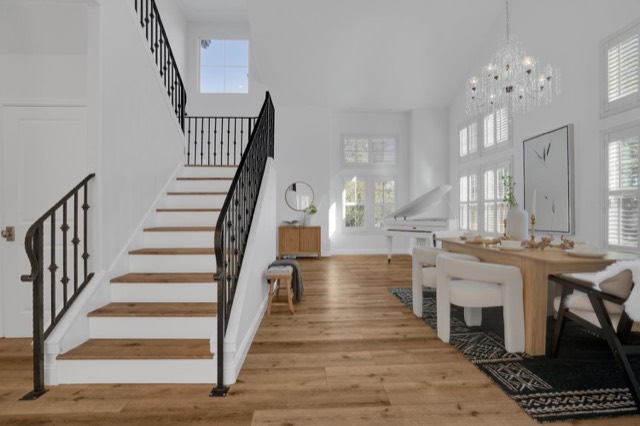
Whole-home remodel
Request a free, no-obligation estimate from a local builder for your addition
Tell us about the project. It takes about 30 seconds.
- You send a short request. Project type, ZIP code, timing and how to reach you.
- We match it. A local contractor for your project gets your request. Up to three may contact you, and we email you each one's name.
- You talk about your project. The estimate is free, with no obligation to hire.
Thanks — your request is in.
We're matching your project now. When a contractor takes it, we email you their name and phone number so you know who is calling.
We're matching your project now. A local contractor will call you at the number you gave us to talk about the next step.
Who gets your request
Your local match
Your project · works in Los Angeles County
Matched to your project. We check the project type and ZIP first. Up to three local contractors may contact you, and we email you each one's name.
Service areas
- Los Angeles
- Bel Air
- Brentwood
- Hollywood
- +36 more
Service areas as listed by the contractor ()